For a new factory investment, the first questions are usually cost and schedule. Both become far more predictable once you understand which decisions drive them. Below we outline the factory construction process and the main cost items.
In short
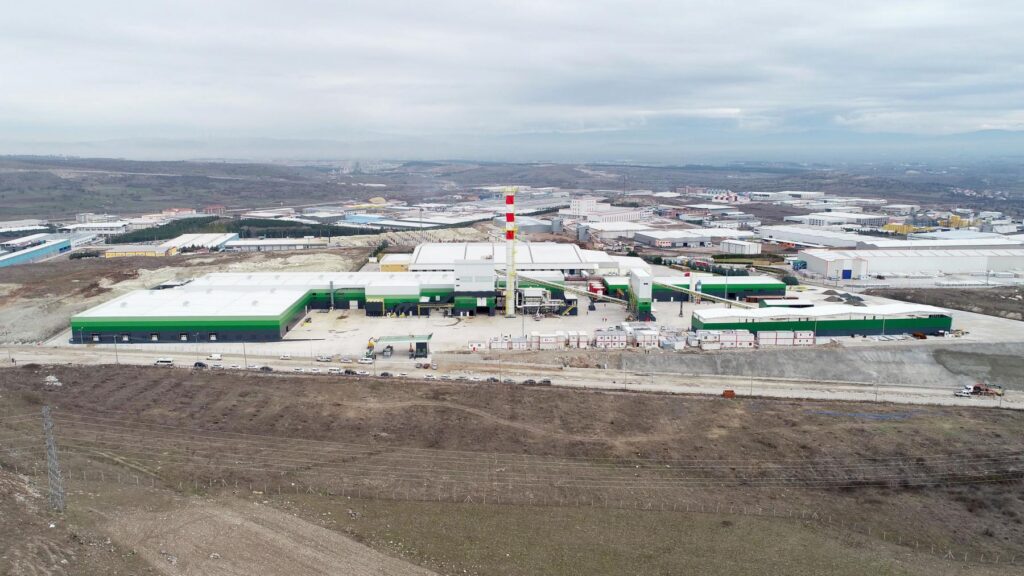
Overlapping design and construction, ordering materials early and working with a single point of responsibility keep the schedule under control. For example, the Es Global integrated production facility combines production lines, storage areas and administrative buildings in one complex.
For a sound cost study, the contractor needs:
When scope, unit prices and change management are written into a turnkey contract up front, budget deviation falls. Three habits make the difference: defining scope in detail, approving change requests with a price during construction, and fixing material choices early.
The items that most affect a factory schedule are the permit process, foundation and ground works, and erection of the structure. Overlapping them (for example, starting precast production while foundations are built) shortens total time. Because weather affects excavation and concrete works, the schedule should be built around the season.
| Item | Impact | Note |
|---|---|---|
| Ground and foundations | High | Improvement, piles or wide foundations per the survey |
| Structural system | High | Reinforced concrete, precast or steel changes time and cost |
| Roof and cladding | Medium | System chosen per insulation and fire needs |
| Industrial floor | Medium-High | Special details may be needed for machine and vehicle loads |
| Utilities and site works | Medium | Outside an OIZ, roads, power and water connections are added |
| Administrative and social buildings | Low-Medium | Depends on quality level and area |
When comparing quotes, looking only at the total can mislead. What the scope includes, what is excluded and the unit-price basis should be examined one by one.
What to check in a quote
Define scope in detail
Every item left vague returns as extra cost during construction.
Commission the soil survey early
Foundation solution is one of the biggest cost uncertainties.
Fix material choices early
Late decisions cause both price and schedule deviation.
Manage changes in writing
Changes during construction should be priced and approved before execution.
The way to lower cost is not to reduce quality but to design efficiently. Standard and modular column spans, repeated structural elements, a simple building form that follows the production flow and early orders of critical materials are the basics of a value-engineering approach. Gains are highest when this work is done at the survey stage.
Note
The topics here describe the general framework; a firm budget requires a project-specific survey and preliminary design.
As time shortens, site overheads fall, but acceleration measures (extra shifts, early material orders) can add cost. The right balance depends on the commercial value of the start-up date: if a delay is costly for the business, extra investment for faster delivery often pays off.
In turnkey contracts, payment is usually made through progress payments tied to works completed. Writing the measurement basis, payment periods and acceptance criteria down at the start gives transparency to both owner and contractor, and the payment plan should be assessed together with financing terms.
Building, floor, utilities, site works, administrative building, design and permit costs and a contingency allowance should be considered.
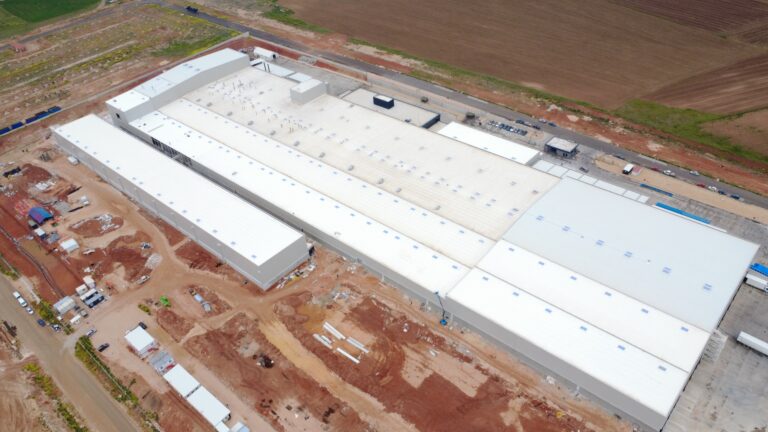
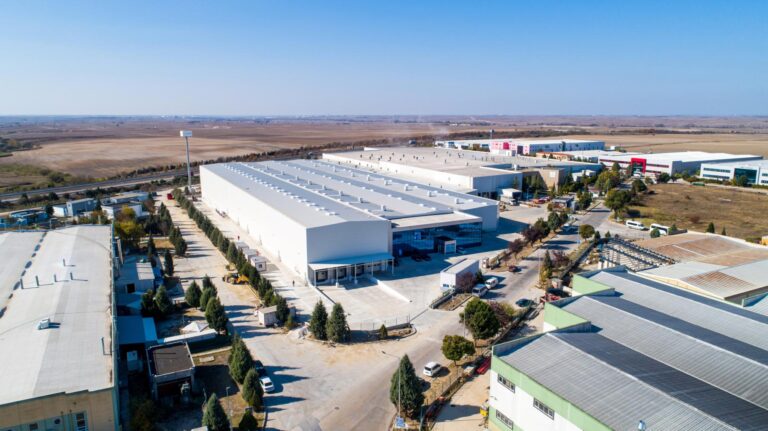
Examples of factory projects of different scales that we completed:
Let’s take the first step on your project
Share your plot, scope and target handover date and we will get back to you with a survey and proposal.
Request a survey & proposalCompleted projectsinfo@dea.com.tr · +90 (216) 527 48 00